

Author: Shenye Plastic TechnologyDate:2021-10-12Pageviews:674
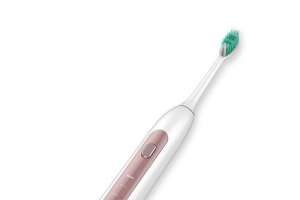
When we choose an electric toothbrush, we often focus on the vibration frequency or the battery life. However, the material of the outer casing (the handle) is equally important. Since this device lives in a humid bathroom environment and comes into frequent contact with our hands and mouths, its material composition plays a silent but vital role in hygiene and long-term dental health.
Here is a breakdown of the materials used in high-quality electric toothbrush casings and their implications for your health.
Most premium electric toothbrush handles are a combination of several high-performance plastics, each chosen for specific engineering properties.
ABS is the most common material for the main body of the toothbrush.
Why it's used: It is incredibly tough, impact-resistant (if you drop it on a tiled floor), and has a high-gloss finish that looks premium.
Safety Profile: High-quality ABS is stable and resistant to chemical corrosion from toothpaste and soaps.
Often used for internal structures or the brush head attachments.
Why it's used: PP is highly resistant to fatigue and chemical leaching. It is one of the safest plastics available, often used in food containers.
These are the "soft-touch" rubberized grips found on the handle.
Why it's used: They provide a non-slip surface, essential when your hands are wet. They also help dampen the vibrations of the motor, making the brushing experience more comfortable.
While the casing doesn't touch your teeth directly, it has a significant indirect impact on your oral hygiene.
The bathroom is a breeding ground for bacteria and mold. If a toothbrush handle is made of low-quality, porous plastic, it can trap moisture and skin oils, leading to the growth of black mold or biofilm.
The Impact: Handling a moldy or bacteria-laden toothbrush and then touching the brush head or your mouth can lead to the transfer of pathogens, potentially causing gum irritation or infections.
The Solution: Premium casings, like those produced by Sunye Plastic, use non-porous, medical-grade or food-grade plastics that are easy to sanitize and naturally resistant to bacterial colonization.
Bisphenol A (BPA) is a chemical often found in low-grade plastics that can interfere with hormones.
The Impact: For a device used twice daily, any chemical leaching—especially when hands are wet or warm—is a health risk.
The Solution: High-end brands ensure their casings are BPA-free and Phthalate-free, meeting international safety standards like FDA or REACH.
Dental health depends on consistent brushing. If a casing is poorly designed, heavy, or vibrates too violently against the hand, the user is likely to brush for less than the recommended two minutes.
The Impact: Poor ergonomics lead to poor brushing habits, eventually causing plaque buildup and cavities.
When evaluating an electric toothbrush from a manufacturing perspective, look for:
Ultrasonic Welding Seams: Quality handles are often welded using ultrasonic technology to ensure a 100% waterproof (IPX7) seal, preventing water from rotting the internal battery and leaking chemicals.
UV Coating: A UV-cured topcoat prevents the plastic from yellowing and makes the surface harder and more resistant to scratches where bacteria could hide.
At Sunye Plastic, we specialize in the injection molding of Personal Care and Beauty Salon Instruments. We understand that for products like electric toothbrushes, the "shell" is more than just a cover—it is a protective barrier for the user. By using food-grade materials and precision molding techniques, we ensure that the casings are durable, hygienic, and 100% safe for daily use.
The material of your electric toothbrush casing is a critical factor in maintaining a hygienic oral care routine. By choosing devices made from high-quality, BPA-free, and mold-resistant plastics, you protect yourself from hidden bacteria and ensure that your path to a healthier smile is a safe one.

QR code attention
Shenye plastic


