


How to mold plastic.For many, "how to mold plastic" might evoke images of simple heat and casts. However, in the realm of high-performance manufacturing—serving 3C digital electronics, medical shells, and automotive components—molding is a sophisticated symphony of thermodynamics and micron-level mechanical engineering.At Sunye Plastic, we don't just "mold" plastic; we engineer structural solutions. Here is the professional blueprint for transforming raw polymers into "exquisite and beautiful" industrial assets.

Perfect injection mold tooling.Achieving zero-flash and perfect snap-fits requires engineering excellence. Learn the steps to master perfect injection mold tooling, from S136 steel selection to ±0.005mm precision at Sunye Plastic.
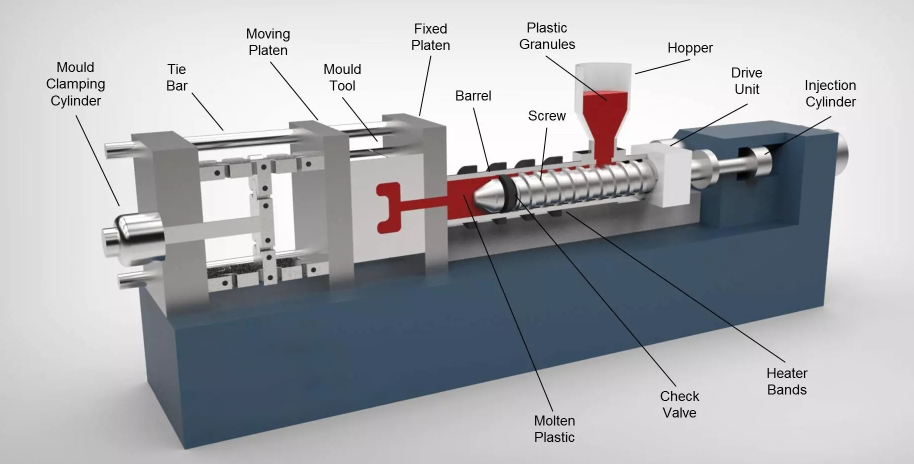
How does injection molding work.Understand the internal physics of the injection molding cycle. Learn how molten resins, high-pressure injection, and precision cooling combine to create ±0.005mm plastic parts at Sunye Plastic.
Master the essentials of plastic injection molding. Discover how high-pressure injection molding, micron-level injection mold, and material purity combine to create world-class components for 3C electronics and medical sectors.
Discover the science behind injection molding. From molten polymers to ±0.005mm precision parts, learn how Sunye Plastic delivers high-quality enclosures for 3C electronics and medical devices.
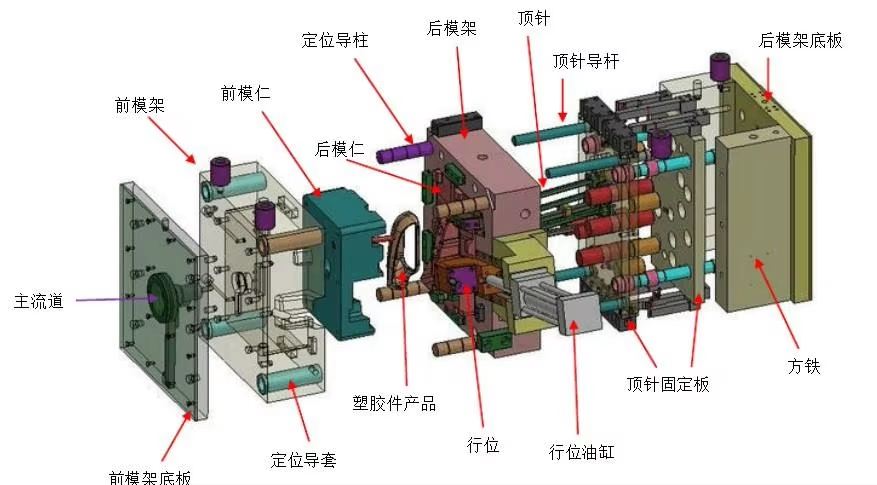
Explore the complex architecture of a plastic injection mold. Learn about the six critical systems—from the mold base to ejection mechanisms—that ensure precision in high-volume manufacturing.

Learn how the quenching process transforms plastic mold steel. Discover the technical steps, the importance of martensite structure, and why quenching is critical for high-volume injection molding durability.
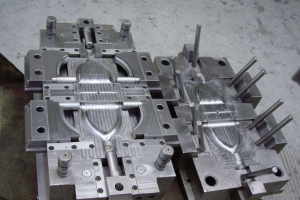
Saving costs in mold making isn't about cutting corners; it's about engineering efficiency. Explore the professional strategies for cost reduction through DFM, standardization, and cycle time optimization.

Master the technical requirements for grinding mold fitting surfaces and concave dies. Learn how precision grinding ensures perfect mold sealing, prevents flash, and extends tooling life.
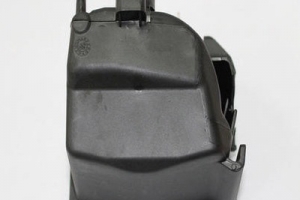
Are your deep drawn injection parts cracking? Learn the top industry secrets to eliminate stress-induced failures through mold geometry adjustments, material drying, and advanced process control.

Master the essentials of mold gate installation. This guide covers gate types, optimal placement, and engineering best practices to prevent injection molding defects and ensure high-quality part production.
Discover the professional 5-step process of making plastic injection molds. From DFM analysis to ±0.005mm precision machining, learn how Sunye Plastic builds world-class tooling.Sunye is not merely an injection mold factory; we also offer precision injection molding services, mold design, free DFM analysis, and plastic processing using high-quality raw materials. It is a 20-year-old injection molding factory.

The annealing treatment of plastic molds is mainly to eliminate the internal stress caused by various reasons, so that the quality of the parts meets the use standards, there are no obvious defects in the appearance, and the performance of the mold steel is improved to facilitate the subsequent processing procedures. Annealing can make the metal structure inside the mold more stable and balanced, ensuring the quality of subsequent processing and final heat treatment. Annealing is the pearlite in the mold metal.
Cracking in drawn parts can lead to high scrap rates. Discover the expert strategies to solve injection mold cracking through material handling, mold design adjustments, and process recalibration.

After the plastic mold is manufactured, it needs to be debugged and inspected. Only when it is confirmed that there are no problems can it be applied to mass production. Whether it is mold debugging or formal production, the mold must be controlled to ensure the normal production and mold quality. So what are the key points of mold control? The quality of plastic parts needs to be controlled, mainly divided into size and environment

QR code attention
Shenye plastic


