

Author: Shenye Plastic TechnologyDate:2021-10-12Pageviews:500
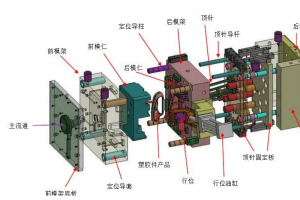
Plastic mold structure: mainly consists of a cavity mold with variable cavities, composed of a cavity base plate, cavity components, and cavity combination clamping plates; and a core mold with variable cores, composed of a core base plate, core components, core combination clamping plates, cavity truncation components, and side truncation combination plates.
To improve the performance of plastics, various auxiliary materials such as fillers, plasticizers, lubricants, stabilizers, and colorants need to be added to the polymer, so that it can become a high-performance plastic.
1. The function of lubricants is to prevent the plastic from sticking to the metal mold during molding, and at the same time, it can make the surface of the plastic smooth and beautiful. Commonly used lubricants include stearic acid and its calcium and magnesium salts, etc. Besides the above additives, plastic can also contain flame retardants, foaming agents, anti-static agents, etc.
2. Synthetic resin is the main component of plastics, and its content in plastics is generally 40% to 100%. Due to its large content and the fact that the properties of the resin often determine the properties of the plastic, people often regard resin as a synonym for plastic. For example, polyvinyl chloride resin and polyvinyl chloride plastic, phenolic resin and phenolic plastic are often confused. In fact, resin and plastic are two different concepts. Resin is an unprocessed raw polymer, which is not only used for manufacturing plastics, but also for coatings, adhesives, and synthetic fibers. Most plastics, except for a very small portion that contains 100% resin, need to add other substances in addition to the main component resin.
3. Fillers Fillers are also called fillers. They can increase the strength and heat resistance of plastics and reduce costs. For example, adding wood powder to phenolic resin can significantly reduce costs, making phenolic plastic one of the cheapest plastics, and at the same time, it can significantly improve mechanical strength. Fillers can be divided into two types: organic fillers and inorganic fillers. The former include wood powder, rags, paper, and various textile fibers, etc., while the latter include glass fibers, diatomite, asbestos, carbon black, etc.
4. Plasticizers can increase the plastic's plasticity and softness, reduce brittleness, and make the plastic easier to be processed and molded. Plasticizers are generally high-boiling-point organic compounds that can mix with the resin, are non-toxic, odorless, and stable to light and heat. The most commonly used ones are phthalate esters. For example, when producing polyvinyl chloride plastic, if more plasticizers are added, a soft polyvinyl chloride plastic can be obtained. If no plasticizers or only a small amount of plasticizers (less than 10%) are added, a hard polyvinyl chloride plastic can be obtained.
5. Stabilizers To prevent the synthetic resin from decomposing and being damaged during processing and use, and to extend the service life, stabilizers need to be added to the plastic. Commonly used ones include stearic acid salts and epoxy resins.
6. Colorants can give plastics various bright and beautiful colors. Commonly used colorants are organic dyes and inorganic pigments.
Shenye is an injection molding manufacturer specializing in the production of various plastic casings, plastic molds, injection molding processing, mold manufacturing, spray oil printing, product development and assembly. Cooperating with Sunye can largely ensure the quality of your products, and the plastic products produced by Sunye are very exquisite and beautiful, loved by a large number of customers. Sunye sincerely looks forward to cooperating with you!

QR code attention
Shenye plastic


